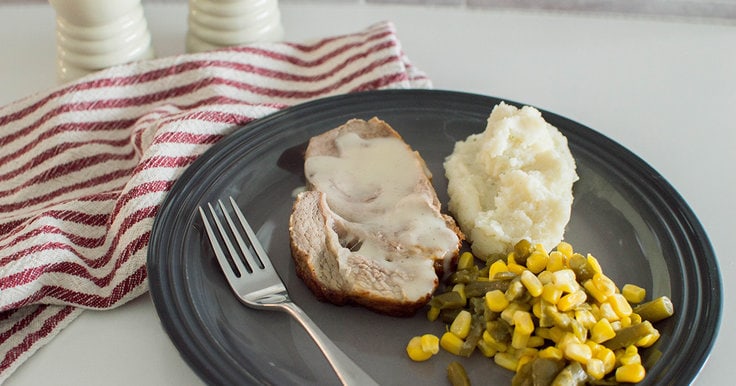
Easy Baked Pork Roast: Tender, Juicy & Fall-Off-The-Bone Perfection
Imagine walking into your home, greeted by the warm, inviting aroma of a slow-cooked meal. That's the magic of a perfectly baked pork roast. This isn't just any dinner; it's a culinary experience that promises a crispy, golden exterior and meat so incredibly tender and juicy it practically melts in your mouth – often living up to the dream of "fall-off-the-bone" deliciousness. A good `baked pork roast recipe` is a true family treasure, simplifying weeknight dinners without compromising on flavor or heartiness. It's no wonder that a well-executed oven-roasted pork roast consistently garners rave reviews and becomes a household favorite.
What makes this recipe stand out is its reliability and surprising ease. While it might seem like a grand undertaking, a baked pork roast is incredibly forgiving, allowing the oven to do most of the heavy lifting. With minimal prep – primarily seasoning and a quick sear – you're on your way to a robust, satisfying meal. Plus, it's easily adaptable into a one-pot wonder by adding vegetables like potatoes, carrots, and onions, which not only absorb the savory pan drippings but also create a complete dinner solution. Say goodbye to complicated cooking and hello to a fuss-free feast that delivers tender, juicy results every single time.
Unlocking the Secret to a Perfect Baked Pork Roast: Cut Matters!
The foundation of any great roast lies in selecting the right cut of meat. For a truly tender, juicy, and potentially fall-apart baked pork roast, your choice of pork cut is paramount. Understanding the characteristics of different cuts will significantly impact the final texture and flavor of your dish.
The Boneless Pork Shoulder: Your Go-To Choice for Tenderness
When aiming for that desired melt-in-your-mouth tenderness, the
boneless pork shoulder roast is unequivocally the champion. This cut, originating from the shoulder of the pig, is renowned for its generous marbling of fat. It’s this intramuscular fat that renders slowly during the baking process, basting the meat from within and imparting incredible moisture and flavor. As the connective tissues break down, the pork shoulder transforms into a succulent, shreddable masterpiece that easily lives up to the "fall-off-the-bone" ideal. While some recipes might suggest "pork butt" (which is technically part of the shoulder), a true pork shoulder tends to be slightly fattier, making it the superior choice for slow roasting and achieving maximum tenderness. It's designed for longer, slower cooking methods, which is exactly what a `baked pork roast recipe` benefits from.
Understanding Pork Loin Roast (and Why It's Different)
Conversely, the pork loin roast, sourced from the back of the pig, presents a very different profile. This cut is considerably leaner, with less fat marbling. While delicious in its own right, a pork loin roast requires a more delicate hand during cooking. If overcooked, even slightly, it can quickly become dry and tough. When baked, a pork loin roast will yield a texture more akin to thick pork chops – sliceable, firm, and excellent, but not the same shreddable, fall-apart consistency you get from a pork shoulder. It’s important to manage expectations; if you use a pork loin, anticipate a different, though still enjoyable, eating experience that demands precise temperature control. For a deeper dive into these cuts and how they behave in the oven, explore our detailed guide:
Pork Shoulder vs. Loin: The Secret to Juicy Baked Roast.
Mastering the Art of Seasoning and Searing
Once you've selected your perfect cut of pork shoulder, the next crucial steps involve infusing it with flavor and creating that irresistible crispy crust. These two stages lay the groundwork for a truly exceptional `baked pork roast recipe`.
Crafting Your Signature Dry Rub
A simple yet potent dry rub is all you need to elevate your pork roast from good to unforgettable. The combination of spices adheres to the meat, creating a flavor-packed crust as it bakes. A foundational mix typically includes:
- Kosher Salt: Essential for seasoning and drawing out moisture.
- Black Pepper: Adds a pungent, aromatic kick.
- Garlic Powder: Provides a savory, umami depth.
- Smoked Paprika: Contributes color, a subtle smokiness, and mild heat.
- Dried Sage: Classic with pork, offering an earthy, slightly peppery note.
- Dried Thyme: Complements sage with its delicate, minty-lemon undertones.
Don't be afraid to customize! For an extra layer of complexity, consider adding ½ to 1 teaspoon of other aromatic spices like
onion powder,
dried oregano,
ground cumin for warmth, or
ground mustard for a tangy bite. Liberally coating your pork shoulder with this spice blend, ensuring it covers every surface, is key to developing a rich, flavorful crust. For even deeper flavor penetration, you can rub the pork the night before and let it sit in the refrigerator, allowing the spices to work their magic.
The Crucial Searing Step for a Crispy Exterior
While technically optional for some baked dishes, searing your pork roast before it goes into the oven is a step we highly recommend for this `baked pork roast recipe`. Why? Because searing accomplishes two critical things:
- Develops a Flavorful Crust: High heat caramelizes the natural sugars and proteins on the surface of the meat, creating a beautiful, crispy, and deeply flavorful crust that adds incredible texture to every bite. This is the Maillard reaction in action, and it's pure magic.
- Locks in Juices: While the "searing locks in juices" idea is often debated scientifically, what it *does* do is create a barrier that helps prevent some moisture loss during the initial baking phase, contributing to a juicier interior.
To sear, simply heat a heavy-bottomed, oven-safe skillet (like cast iron) over medium-high heat with a little high-smoke-point oil (like avocado or grapeseed). Once shimmering, place your seasoned pork shoulder in the pan and sear all sides until golden brown and crispy. This usually takes a few minutes per side. Once seared, the roast can go directly into the preheated oven in the same skillet, or be transferred to a baking dish if your skillet isn't large enough for accompanying vegetables.
Baking Your Way to Tender Perfection: Time, Temp & Technique
With your pork seasoned and seared, the oven takes over, slowly transforming the meat into a tender masterpiece. This hands-off cooking period is where the magic truly happens, but understanding the right time, temperature, and how to gauge doneness is key.
Oven Roasting Basics for a Juicy Finish
For a typical 3-pound boneless pork shoulder, expect an oven cooking time of approximately
75-80 minutes at 375°F (190°C). However, cooking time is always an estimate, and the most reliable indicator of doneness is the internal temperature. Your `baked pork roast recipe` is perfectly cooked when it reaches an internal temperature of
145°F (63°C).
*
The Meat Thermometer is Your Best Friend: Investing in a good quality meat thermometer (instant-read or leave-in probe) is non-negotiable for perfectly cooked meat. Insert the thermometer into the thickest part of the roast, avoiding any bones if present.
*
Resting is Crucial: Once the roast reaches 145°F, remove it from the oven and tent it loosely with foil. Allow it to rest for at least 10-15 minutes before carving or shredding. This allows the juices to redistribute throughout the meat, ensuring every bite is incredibly juicy and tender. Skipping this step can lead to a dry roast, even if cooked to the correct temperature.
*
The "Fall-Off-The-Bone" Factor: While a pork shoulder is primed for fall-apart tenderness, the degree to which it "falls off the bone" can vary. This often depends on the specific fat content of your particular cut – some pork shoulders are fattier than others. Even if it doesn't quite shred with a fork, a properly cooked pork shoulder will be wonderfully easy to cut and incredibly tender, dissolving in your mouth.
Adding Hearty Vegetables for a Complete One-Pot Meal
To elevate your `baked pork roast recipe` into a full, satisfying meal with minimal extra effort, consider adding hearty vegetables directly to the baking dish. Chunks of potatoes (russet or Yukon gold work well), carrots, and onions are fantastic choices. They cook alongside the pork, absorbing all the rich, savory pan drippings and becoming incredibly flavorful in their own right. This approach transforms your roast into a convenient and delicious
One-Pot Oven Pork Roast: A Deliciously Easy Family Dinner. Simply toss your prepped veggies with a little olive oil, salt, and pepper, then arrange them around the seared pork roast in the baking dish before placing it in the oven. The vegetables will roast to perfection, creating a balanced and flavorful plate with protein and sides all in one go.
Elevating Your Roast with a Simple Gravy
No `baked pork roast recipe` is truly complete without a rich, savory gravy to drizzle over the tender meat and accompanying vegetables. The beauty of this recipe is that it provides all the ingredients for an incredible gravy right in the pan.
Harnessing Pan Drippings for Unbeatable Flavor
As your pork roast bakes, it releases a flavorful liquid into the bottom of the pan – these are culinary gold! These pan drippings are packed with rendered fat, meat juices, and the concentrated flavors of your spice rub and any vegetables you added. This forms the perfect base for an instant, intensely flavorful gravy.
Once the roast is out of the oven and resting, carefully pour the pan drippings into a small saucepan. You can skim off some of the excess fat if you prefer a lighter gravy, but leaving a little in will add to the richness. Heat the drippings gently over medium-low heat, scraping up any browned bits from the bottom of the pan – these are packed with flavor! Taste the drippings and adjust seasoning if necessary. Often, they are perfectly seasoned from the roast itself.
Thickening Your Gravy to Perfection (Optional)
While the natural consistency of the pan drippings can be a delicious, thin gravy on its own, sometimes you crave a thicker, more luxurious sauce. Thickening gravy is surprisingly simple:
1.
Create a Cornstarch Slurry: In a small bowl, whisk together
1 to 2 teaspoons of cornstarch with
3 tablespoons of the hot pan drippings until completely smooth and no lumps remain. The ratio is important here – too much cornstarch and your gravy can become gluey.
2.
Combine and Whisk: Slowly pour the cornstarch slurry back into the simmering pan drippings, whisking continuously.
3.
Simmer to Thicken: Continue to gently simmer and whisk for 1-2 minutes. The gravy will visibly thicken as it heats. Remove from heat once it reaches your desired consistency.
Remember, the gravy will continue to thicken slightly as it cools. If it becomes too thick, you can always whisk in a tablespoon of hot water or broth until it reaches the perfect consistency. This simple step transforms the humble pan drippings into a restaurant-quality sauce, tying your entire `baked pork roast recipe` meal together.
Conclusion: Your Go-To Easy Baked Pork Roast Recipe
There you have it – a comprehensive guide to crafting an incredibly easy, tender, juicy, and potentially fall-off-the-bone baked pork roast. This `baked pork roast recipe` is more than just a meal; it's a testament to how simple ingredients and straightforward techniques can yield truly spectacular results. From selecting the right cut of pork shoulder for optimal tenderness, to mastering the art of seasoning and searing for that coveted crispy crust, and finally, letting the oven do its magic while you anticipate a delicious reward, every step contributes to a memorable dining experience. Don't forget the flavorful pan drippings, which are easily transformed into a luscious gravy, making this a truly complete and satisfying family dinner. Embrace the ease and immense flavor of this oven-roasted masterpiece, and prepare to add a new, reliable favorite to your culinary repertoire. Your family and your taste buds will thank you!