The Allure of a Perfectly Baked Pork Roast
There’s something undeniably comforting and utterly delicious about a homemade baked pork roast. The anticipation of that first slice, revealing tender, succulent meat beneath a perfectly crisped exterior, is enough to make anyone’s mouth water. Beyond its incredible flavor, a well-executed
baked pork roast recipe fills your home with an aroma that signals warmth, good food, and shared moments. It’s a dish that consistently earns rave reviews, becoming a cherished family favorite that often gets requested week after week.
Many home cooks adore roasted dishes because they offer maximum flavor with minimal fuss. Once seasoned and nestled in the oven, a pork roast practically cooks itself, freeing you up to prepare sides or simply relax. Unlike more finicky preparations like pork chops, a roast often delivers consistently juicy results with less active cooking time. The secret to achieving that coveted tender, fall-off-the-bone texture, however, often begins long before the roast ever hits the oven: it starts with selecting the right cut of pork.
Decoding the Best Cut: Pork Shoulder vs. Pork Loin
When embarking on a culinary journey to create the ultimate
baked pork roast recipe, the choice between pork shoulder and pork loin is paramount. These two cuts, while both excellent for roasting, possess distinct characteristics that profoundly impact the final texture and juiciness of your meal. Understanding these differences is the secret to unlocking the perfect roast for your desired outcome.
The Mighty Pork Shoulder Roast (Pork Butt)
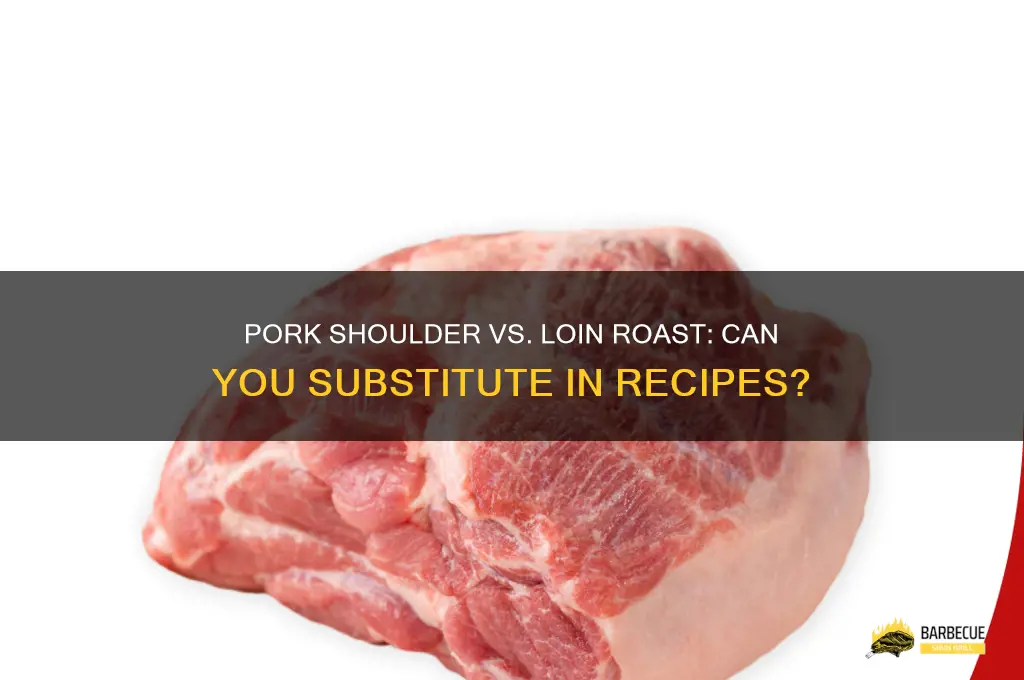
The pork shoulder, often referred to as "pork butt" (despite coming from the pig's shoulder, not its rear), is a powerhouse of flavor and tenderness, especially when slow-roasted. This cut originates from the pig's front leg and upper shoulder area.
*
Characteristics: Pork shoulder is renowned for its generous marbling – streaks of fat intertwined within the muscle – and a significant amount of connective tissue. This fat content is its superpower, making it ideal for longer, slower cooking methods.
*
Ideal for: It truly shines in applications where you want a melt-in-your-mouth, super tender, and potentially fall-apart texture. The slow heat in the oven gradually breaks down the connective tissues and renders the fat, basting the meat from within and preventing it from drying out. This is why it’s the go-to choice for pulled pork, but equally fantastic for a hearty, juicy baked roast.
*
Texture: Depending on its specific fat content and how long you cook it, a pork shoulder can yield meat that’s either easily sliceable with a fork, or so tender it genuinely pulls apart with minimal effort. If you dream of that truly "fall-off-the-bone" experience, a well-marbled pork shoulder is your best bet.
The Lean and Elegant Pork Loin Roast
In contrast to the shoulder, the pork loin roast is a leaner, more delicate cut. It comes from the back of the pig, running along its spine.
*
Characteristics: Pork loin is characterized by its very low-fat content. It typically has a thick layer of fat on one side (the fat cap), but the muscle itself is lean and fine-grained.
*
Ideal for: Due to its leanness, pork loin cooks relatively quickly. It's excellent for recipes where you desire a firmer, sliceable texture, much like a thick, elegant pork chop. It's often butterflied, stuffed, or quickly roasted to a precise temperature.
*
Challenges: The primary challenge with pork loin is its susceptibility to drying out. Without the internal marbling of a shoulder, overcooking even by a few degrees can transform it from juicy to dry and tough. Precision with a meat thermometer is absolutely critical when working with pork loin.
*
Texture: A perfectly cooked pork loin will be tender and juicy, but always firm enough to slice cleanly, offering a more structured eating experience compared to the shreddable shoulder.
The Verdict for a Juicy Baked Pork Roast
For a truly reliably juicy, tender, and potentially fall-apart
baked pork roast recipe that captures the essence of comfort food, the
pork shoulder roast is generally the superior choice. Its inherent fat and connective tissue act as an internal basting mechanism, forgiving minor overcooking and consistently delivering succulent results. While pork loin can certainly be roasted to perfection, it demands more attention and precision to avoid dryness, yielding a different, albeit still delicious, textural experience. If your goal is that rich, tender, melt-in-your-mouth roast, embrace the shoulder.
Mastering Your Baked Pork Roast Recipe: Beyond the Cut
While choosing the right cut is foundational, several other factors contribute to an unforgettable
baked pork roast recipe. From seasoning to temperature, these elements will elevate your meal from good to extraordinary.
Seasoning is Key
A flavorful rub is the soul of any great roast. Don't underestimate the power of a simple yet robust dry rub to infuse your pork with savory goodness.
*
Essential Blend: Start with a classic combination of kosher salt, freshly ground black pepper, garlic powder, paprika (smoked paprika adds wonderful depth), dried sage, and thyme. This blend creates a deeply savory crust that permeates the meat.
*
Spice Variations: Feel free to experiment! Add ½ to 1 teaspoon of onion powder, dried oregano, ground cumin, or ground mustard for unique flavor profiles.
*
The Searing Step: For an extra layer of flavor and a beautiful, crispy exterior, sear your pork roast in a hot, oven-safe skillet on all sides before transferring it to the oven. This creates a delectable crust through the Maillard reaction.
Temperature Control and Doneness
Knowing when your pork roast is perfectly done is crucial for juiciness.
*
Internal Temperature: The USDA recommends cooking pork to an internal temperature of 145°F (63°C). Use a reliable meat thermometer inserted into the thickest part of the roast, avoiding bone.
*
Resting is Crucial: Once it reaches 145°F, remove the roast from the oven and tent it loosely with foil. Allow it to rest for at least 10-15 minutes (longer for larger roasts). This resting period allows the juices to redistribute throughout the meat, ensuring every bite is tender and moist. Skipping this step is a common mistake that leads to dry pork.
*
Cooking Times: As a general guideline, a 3-pound boneless pork shoulder roast will typically take around 75-80 minutes to reach 145°F in an oven preheated to 375-400°F (190-200°C). However, actual times can vary based on your oven and the exact size/shape of your roast, so always rely on a thermometer.
The One-Pot Meal Advantage
A
baked pork roast recipe lends itself beautifully to a one-pot meal. This not only simplifies cleanup but also allows vegetables to absorb the delicious drippings, becoming incredibly flavorful.
*
Hearty Veggies: Arrange sturdy vegetables like quartered potatoes, carrots, and onions around the pork roast in the pan. They will cook alongside the meat, soaking up all the savory juices. For a complete guide on how to integrate this, check out our article on
One-Pot Oven Pork Roast: A Deliciously Easy Family Dinner.
*
Flavor Synergy: The vegetables roast in the rendered fat and seasoned drippings, creating a harmonious and hearty accompaniment to your pork.
Making the Gravy
Don't let those flavorful pan drippings go to waste! They are the foundation for a simple, rich gravy.
*
Simple Gravy: After removing the roast and vegetables, pour the drippings into a small saucepan. For a basic gravy, simply heat the drippings, scraping up any browned bits from the bottom of the pan.
*
Thickening (Optional): If you prefer a thicker gravy, create a cornstarch slurry by whisking 1-2 teaspoons of cornstarch with 2-3 tablespoons of the cooled pan drippings (or cold water). Whisk this slurry back into the simmering drippings and cook, whisking constantly, until the gravy thickens to your desired consistency. You can also deglaze the pan with a splash of broth or wine for extra depth.
Pro Tips for an Unforgettable Baked Pork Roast
Achieving a truly remarkable
baked pork roast recipe involves a few extra considerations that can make all the difference. For a consistently excellent result, whether you prefer the rich tenderness of a shoulder or the leaner profile of a loin, keep these tips in mind:
*
Always Use a Meat Thermometer: This cannot be stressed enough. It’s the single most important tool for ensuring your pork is cooked perfectly to 145°F without drying out, especially with leaner cuts.
*
Score the Fat Cap (Pork Shoulder): If your pork shoulder has a thick fat cap, scoring it in a crosshatch pattern before roasting helps the fat render more efficiently, resulting in a crispier exterior and juicier meat.
*
Consider Brining (for Loin): While not strictly necessary, brining a pork loin for a few hours can help it retain moisture, offering a bit more insurance against dryness. A simple salt, sugar, and water brine works wonders.
*
Don't Be Afraid to Get Hands-On: Rub your seasoning generously into every crevice of the pork. For the best flavor, do this at least 30 minutes before roasting, or even the night before, storing it uncovered in the fridge.
*
Hot Oven for Crisp Skin: Starting your roast in a relatively hot oven (e.g., 400°F/200°C) for the first 15-20 minutes can help develop a fantastic crust before reducing the temperature for the remainder of the cooking time, especially beneficial for a pork shoulder.
The beauty of a
baked pork roast recipe lies in its straightforward elegance and the consistently delicious results it can deliver. With the right cut and a few simple techniques, you're well on your way to creating a roast that is tender, juicy, and utterly satisfying. For more guidance on achieving that perfect texture, dive into our
Easy Baked Pork Roast: Tender, Juicy & Fall-Off-The-Bone article.
Conclusion
Whether you opt for the robust, fat-rich pork shoulder for an intensely tender, fall-apart experience or the lean pork loin for a more refined, sliceable roast, understanding the nuances of each cut is the secret to a truly juicy baked pork roast. By mastering your seasoning, precise temperature control, and incorporating a few expert tips, you can consistently achieve a show-stopping meal that impresses guests and delights your family. So preheat your oven, choose your cut, and get ready to create a memorable culinary masterpiece right in your own kitchen.