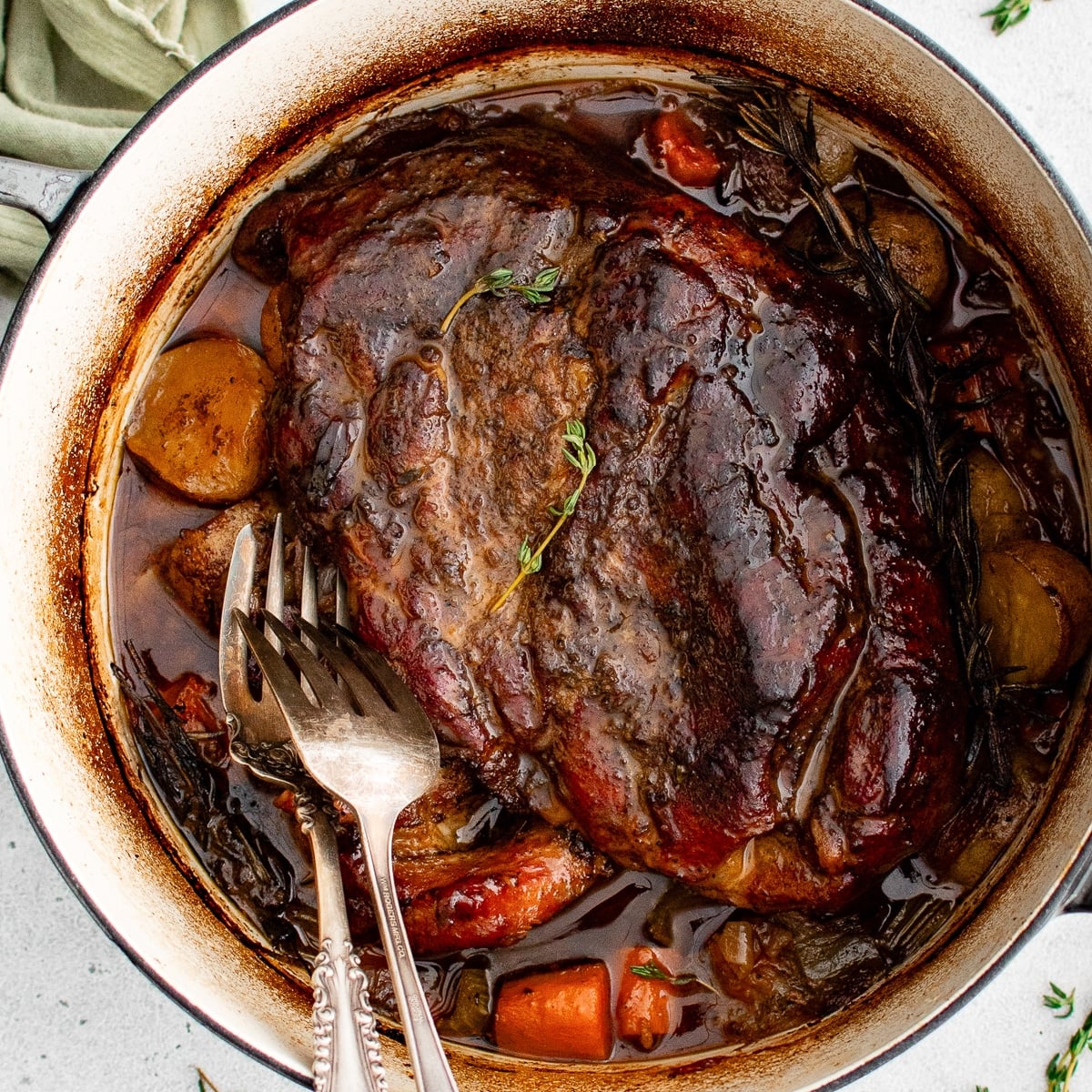
One-Pot Oven Pork Roast: A Deliciously Easy Family Dinner
Imagine walking into your home after a long day, greeted by the comforting aroma of savory herbs, tender pork, and roasted vegetables. That's the magic of a one-pot oven pork roast. This isn't just a meal; it's an experience that promises minimal fuss and maximum flavor, making it the ideal centerpiece for any family dinner. If you're searching for a reliable, mouth-watering
baked pork roast recipe that consistently delivers crispy exteriors and incredibly juicy, fall-off-the-bone meat, you've come to the right place.
This beloved one-pot wonder has garnered countless five-star reviews for a reason: it's surprisingly simple to prepare, yet tastes like you've been slaving away in the kitchen for hours. Forget complicated techniques or a sink full of dishes; this recipe empowers you to create a truly delicious and hearty meal with ease, transforming everyday ingredients into an extraordinary feast your family will beg for again and again.
The Secret to a Perfect Roast: Choosing Your Cut of Pork
The foundation of any great roast lies in the cut of meat. While various cuts of pork can be roasted, achieving that truly tender, melt-in-your-mouth texture for a
baked pork roast recipe often hinges on selecting the right one. For this specific recipe, we strongly recommend a boneless pork shoulder roast.
*
Pork Shoulder Roast: The Champion of Juiciness
* Derived from the shoulder of the pig, this cut is known for its higher fat content and connective tissue. While this might sound daunting, it's precisely these characteristics that make it ideal for slow roasting in the oven. The fat marbles through the meat, basting it from within, while the connective tissues break down during the long cooking process, resulting in unparalleled tenderness and a rich, savory flavor. When cooked correctly, a pork shoulder will be so succulent it practically falls apart.
*
Pork Loin Roast: A Leaner Alternative (with caveats)
* A pork loin roast comes from the back of the pig and is considerably leaner. If you opt for a pork loin, you'll need to exercise more caution to prevent it from drying out, as it lacks the inherent marbling of a shoulder cut. While still delicious, a loin roast typically results in a firmer, more "chop-like" texture that requires slicing, rather than the shreddable, fall-off-the-bone experience this one-pot recipe aims for. For a deeper dive into these cuts and how they impact your roast, explore our detailed guide:
Pork Shoulder vs. Loin: The Secret to Juicy Baked Roast.
When choosing your pork shoulder, look for good marbling – small streaks of fat running through the meat. This is your assurance of a juicy, flavorful roast. Don't be afraid to ask your butcher for guidance; they can often help you select the perfect cut.
Mastering the Oven Roast: Step-by-Step for Succulent Results
Crafting this exquisite
baked pork roast recipe is simpler than you might imagine. The beauty lies in a few key steps that build flavor and texture, all culminating in a glorious one-pot meal.
1. The Flavorful Dry Rub
Before your pork even touches the heat, it needs a good seasoning. A simple, yet potent dry rub will infuse the meat with incredible flavor and contribute to that coveted crispy exterior.
*
Ingredients: Combine generous amounts of kosher salt, freshly ground black pepper, garlic powder, paprika (smoked paprika adds an extra layer of depth!), dried sage, and dried thyme. You can also experiment with a pinch of onion powder, dried oregano, or ground mustard for personalized flair.
*
Application: Pat your pork roast dry with paper towels – this is crucial for a good crust. Then, liberally rub the spice mixture all over the pork, ensuring every crevice is covered. Don't be shy; the robust flavors of the rub are what elevate the roast. For best results, let the seasoned pork sit at room temperature for 30-60 minutes before cooking, or even overnight in the refrigerator for deeper flavor penetration.
2. The Crucial Sear
While this is an oven roast, a quick sear on the stovetop is a game-changer. This step creates a beautiful, caramelized crust on the outside of the pork, locking in juices and adding a layer of complex flavor that oven-cooking alone cannot achieve.
*
Method: Heat a heavy-bottomed, oven-safe pot or Dutch oven (the same one you'll roast in!) over medium-high heat with a little olive oil or other high-smoke-point oil. Once hot, carefully place the seasoned pork shoulder in the pot and sear on all sides until deeply golden brown and crispy. This usually takes about 3-5 minutes per side.
3. The One-Pot Roast with Vegetables
Once seared, your pork is ready for its oven journey. This is where the "one-pot" magic truly happens, as hearty vegetables join the party, soaking up all the delicious pan drippings.
*
Veggies of Choice: While the pork is searing, chop your vegetables. Classic choices include hearty potatoes (cut into chunks), carrots (peeled and thickly sliced), and onions (quartered). You can also add parsnips, sweet potatoes, or bell peppers for variety.
*
Assembly & Roasting: Remove the seared pork from the pot briefly if needed, add the chopped vegetables to the bottom, nestle the pork roast back on top, and add about ½ to 1 cup of water or chicken broth to the pot. Cover the pot with a tight-fitting lid (or foil if your pot doesn't have one).
*
Oven Time: Place the covered pot in a preheated oven at a moderate temperature (e.g., 300-325°F or 150-160°C). For a 3 lb. boneless pork shoulder, expect it to take approximately 75-80 minutes to reach the desired internal temperature. However, cooking time can vary based on your oven and the exact size/shape of the roast.
*
Checking for Doneness: The ultimate test of doneness is an internal temperature of 145°F (63°C) when measured with a meat thermometer in the thickest part of the roast. For truly "fall-apart" results, many chefs prefer to cook pork shoulder to 160-180°F (71-82°C) or even higher, as the higher temperature allows the collagen to fully break down. You'll know it's ready when it's easy to cut into and almost "falls apart" with minimal effort. Remember, a leaner pork shoulder might require slicing, while a fattier cut will be more shreddable.
*
Resting: Once cooked, remove the pot from the oven and let the pork roast rest, still covered, for at least 15-20 minutes. This allows the juices to redistribute throughout the meat, ensuring every bite is incredibly tender and moist.
4. Simple Gravy from Pan Drippings
The flavorful liquid at the bottom of the pot is pure gold! These pan drippings are the base for a quick and simple gravy.
*
Method: Skim off any excess fat from the drippings. If you desire a thicker gravy, create a cornstarch slurry by whisking 1-2 teaspoons of cornstarch with 3 tablespoons of the drippings in a small bowl. Pour this mixture back into the remaining drippings in the pot, and whisk constantly over low heat until the gravy thickens to your desired consistency. Season with salt and pepper to taste.
Beyond the Basics: Tips for Success & Flavor Variations
Achieving a perfectly tender and juicy pork roast is within reach, and a few extra tips can elevate your meal even further.
*
Invest in a Good Meat Thermometer: This is arguably the most crucial tool for consistently great roasts. Don't guess; an accurate thermometer removes all doubt about doneness.
*
Don't Be Afraid of Fat: For this type of roast, fat is your friend! It renders down, keeping the meat moist and adding immense flavor. If your pork shoulder has a thick fat cap, you can score it before searing to help it render more evenly.
*
Experiment with Aromatics: Add sprigs of fresh rosemary or thyme, bay leaves, or whole garlic cloves to the pot with the vegetables for an extra layer of aromatic complexity.
*
Spice It Up: Beyond the standard rub, consider a touch of cayenne pepper for a subtle kick, or smoked paprika for a deeper, woodier flavor. A hint of orange zest can also brighten the overall profile.
*
Leftovers are a Gift: If you have any remaining roast, it’s fantastic shredded for sandwiches, tacos, or as a topping for salads. The tender meat reheats beautifully.
Why This One-Pot Wonder Belongs in Your Rotation
This
baked pork roast recipe is more than just a meal; it's a testament to the joy of simple, wholesome cooking that delivers spectacular results. It provides generous portions of protein alongside tender, flavorful vegetables, all bathed in a luscious gravy, truly making it a complete meal in one pot. The minimal cleanup, combined with the incredible depth of flavor and tender texture, makes it an undeniable winner for busy weeknights or relaxed Sunday dinners.
So, if you're ready to transform a simple cut of pork into a culinary masterpiece that fills your home with irresistible aromas and satisfies every palate, give this easy, reliable recipe a try. For even more insights into creating the most succulent pork roasts every time, be sure to check out our comprehensive guide:
Easy Baked Pork Roast: Tender, Juicy & Fall-Off-The-Bone. Your family (and your taste buds) will thank you!